Understanding the Key Benefits of HDPE Pipe for Water and Wastewater Administration
The usage of HDPE pipe in water and wastewater monitoring provides many benefits that merit consideration. Its extraordinary longevity and lengthy lifespan make it a preferred choice for several tasks. In addition, the product's resistance to rust and chemical damage enhances its reliability in numerous atmospheres. Nonetheless, the benefits extend past just durability and resistance. Discovering its cost-effectiveness and environmental effect discloses even more engaging reasons for its widespread fostering in modern-day framework
Extraordinary Toughness and Durability

HDPE pipe stands out for its outstanding durability and durability, making it a recommended choice in water administration systems. Created from high-density polyethylene, these pipelines can stand up to significant pressure and stress and anxiety, making sure reliable performance gradually. Their durable nature enables them to sustain extreme environmental conditions, including temperature level fluctuations and soil motions, which can create other materials to fall short.
The lifespan of HDPE pipes typically goes beyond 50 years, offering a cost-efficient service for districts and markets alike. In addition, the material's lightweight homes streamline setup, lowering labor prices and timeframes. This longevity decreases the demand for constant repairs or substitutes, better improving its financial allure.
In water administration applications, the dependability of HDPE pipelines indicates fewer disruptions and enhanced service connection, making them integral to sustainable facilities growth. The mix of toughness and longevity solidifies HDPE's duty as a foundation in effective water management services.

Resistance to Corrosion and Chemical Damages
While lots of materials succumb to rust and chemical damage in time, HDPE pipelines show exceptional resistance, making them excellent for numerous water administration applications. This durability stems from the molecular framework of high-density polyethylene, which is inherently non-reactive and does not corrode like steels or degrade from exposure to rough chemicals. Because of this, HDPE is extremely effective in settings with aggressive substances, such as wastewater systems that might include acids, bases, and organic solvents.
Additionally, HDPE pipelines can hold up against environmental factors such as soil level of acidity and saline conditions, further boosting their suitability for varied applications (Midland TX HDPE Pipe Fittings in Stock). Their capability to keep structural stability with time decreases the danger of leakages and failures, which is critical in making sure the safety and dependability of water distribution and wastewater monitoring systems. Consequently, the resistance to rust and chemical damage considerably adds to the overall efficiency and long life of HDPE piping solutions
Cost-Effectiveness and Financial Benefits
When thinking about the monetary effects of water management systems, the cost-effectiveness of HDPE pipelines becomes obvious. These pipelines supply reduced installation and maintenance costs compared to standard materials like steel or concrete. Their lightweight nature streamlines transport and setup, leading to minimized labor expenses. Furthermore, HDPE pipes display a long life expectancy, often exceeding 50 years, which translates to fewer substitutes and lasting financial savings.
The resistance of HDPE to rust and chemical damages reduces the demand for pricey fixings and substitutes. The pipelines additionally support reliable water circulation, lowering energy expenses related to pumping systems. By alleviating leakages and water loss, HDPE pipes add to considerable financial advantages for districts and sectors alike. In general, the initial investment in HDPE piping can produce substantial economic returns over the life-span of the water administration system, making it a prudent selection for lasting infrastructure development.
Environmental Sustainability and Minimized Effect
Convenience and Flexibility in Setup
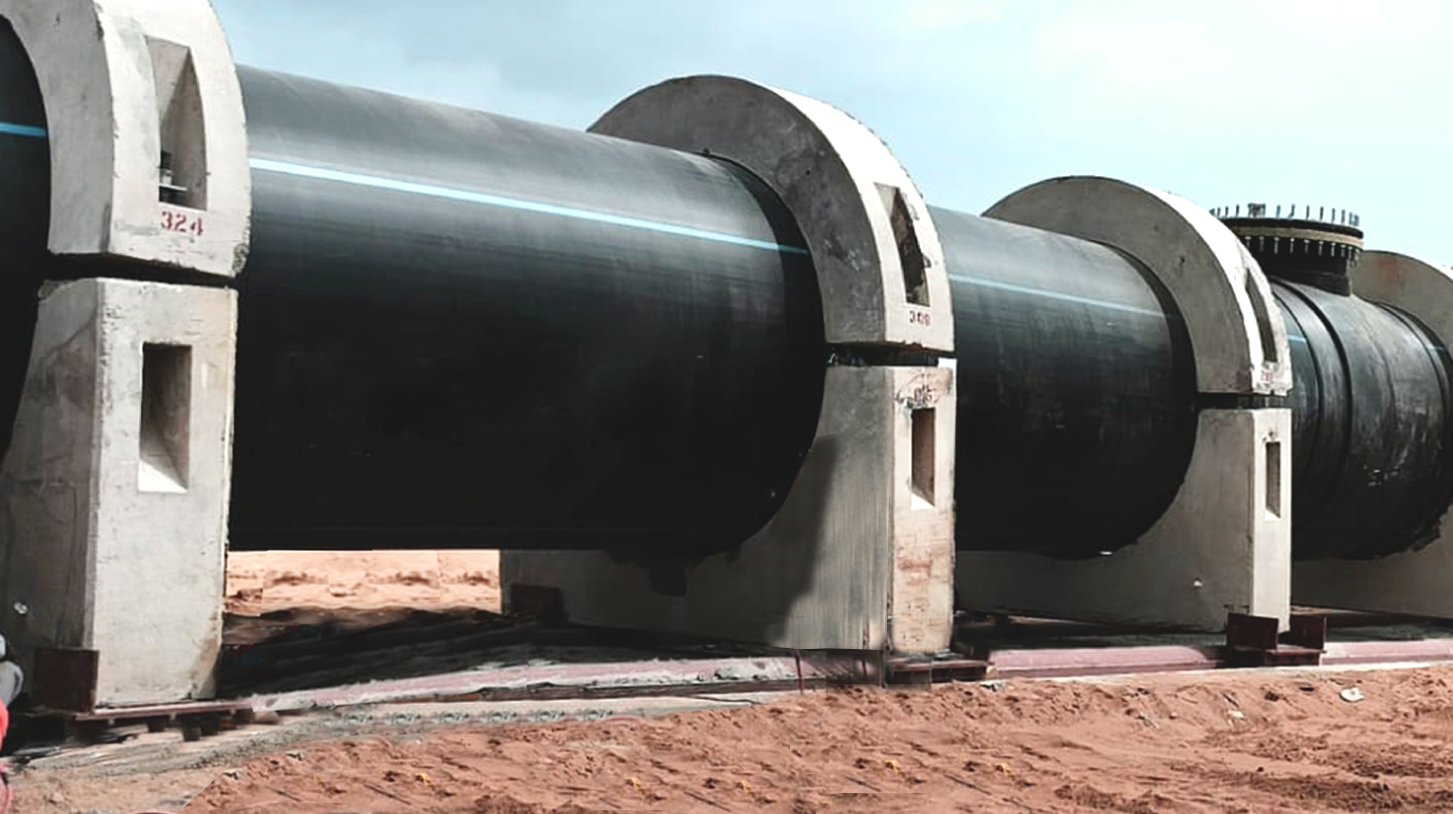
Due to the fact that of their one-of-a-kind buildings, HDPE pipelines offer impressive adaptability and flexibility in setup, making them appropriate for a variety of applications. Their lightweight nature enables much easier handling and transport, minimizing labor prices and setup time. HDPE pipelines can be curved and formed to fit different surfaces and task demands, which is particularly useful in challenging settings.
In addition, their resistance to corrosion and chemical damage enables installment in varied settings without the demand for specialized safety layers. The capacity to fuse joints creates a continual, leak-free system, boosting the total honesty and reliability of the setup. HDPE's flexibility additionally suits ground activity, lowering the danger of damage in areas susceptible to shifting soil. On the whole, these attributes make HDPE pipelines not just functional yet additionally a preferred choice for water and wastewater administration systems.
Frequently Asked Inquiries
Just How Does HDPE Pipeline Contrast to PVC in Water Monitoring Applications?
HDPE pipeline offers premium flexibility, resistance to deterioration, and sturdiness contrasted to PVC. Its lighter weight assists in get more info much easier installment, while its lengthy life expectancy minimizes replacement costs, making HDPE a favored option in water administration applications.
What Is the Life Expectancy of HDPE Pipeline Under Normal Conditions?
Under common conditions, HDPE pipes can have a lifespan ranging from 50 to 100 years. Their sturdiness and resistance to corrosion add to their lasting efficiency in different applications, making them a dependable option for facilities.
Are HDPE Pipeline Recyclable After Their Life Span?
Yes, HDPE pipelines are recyclable after their life span. American Plastics HDPE Pipe Manufacturing. They can be processed and repurposed right into brand-new products, substantially minimizing environmental influence and promoting sustainability within the sector, making them an eco-friendly choice for piping remedies
What Is the Setup Refine for HDPE Pipeline?
The installation process for HDPE pipelines includes website preparation, trenching, pipeline blend or mechanical signing up with, backfilling, and pressure screening. Proper strategies guarantee a sturdy and efficient system for transferring water and wastewater properly.
Can HDPE Pipeline Be Made Use Of for Both Drinkable and Non-Potable Water Solutions?
Yes, HDPE pipes can be utilized for both drinkable and non-potable water systems. Their convenience, sturdiness, and resistance to corrosion make them appropriate for numerous applications, guaranteeing secure and reliable transport of water in various contexts.